Imagine a self-driving car encountering an unexpected detour. The algorithm might suggest the fastest route based on pre-programmed data, but a human driver would intuitively consider factors like road conditions or time of the day, leading to a safer, more efficient choice. Are algorithms always the superior choice? The answer is not always yes. While algorithms excel at processing vast amounts of data, they often lack the human element of intuition critical for navigating complex situations.
This article explores the power of incorporating human intuition and expertise into decision-making. It introduces the concept of a hybrid approach, combining the strengths of algorithms with human insight to produce better outcomes. According to studies, a synergistic human-algorithm approach can improve decision-making across various fields. By learning to leverage your intuition alongside algorithms, you can sharpen your decision-making skills and achieve superior results.
The Rise of the Algorithm: Promises and Perils
Algorithms are rapidly becoming the invisible backbone of modern society. From approving loan applications to diagnosing medical conditions and tailoring online advertisements, automated systems powered by artificial intelligence are permeating nearly every aspect of life. This algorithmic revolution promises increased efficiency, reduced costs, and greater precision in various tasks. Businesses are leveraging algorithms to streamline operations, personalize customer experiences, and gain a competitive edge. However, this reliance on algorithms comes with inherent risks. Algorithmic bias, lack of transparency, and the potential for over-dependence raise serious concerns about fairness, accountability, and the long-term societal impact. While algorithms offer immense potential, a critical and cautious approach is necessary to mitigate their perils and ensure responsible implementation. Failing to do so could lead to unintended consequences, reinforcing existing inequalities and eroding public trust in automated systems. Consider, for example, that marketing firms increasingly spend significant portions of their budget on algorithms, and that AI in healthcare is expected to grow exponentially.
Algorithmic Ubiquity: Where Are They Now?
Artificial intelligence and machine learning are no longer futuristic concepts; they are active components of numerous industries. In finance, algorithms analyze market trends, manage investments, and detect fraudulent activity. Healthcare utilizes AI for diagnosis, personalized treatment plans, and drug discovery, leading to precision medicine. The manufacturing sector embraces automation and robotics to improve efficiency, reduce errors, and optimize supply chains. Even the creative arts are being revolutionized, with AI generating music, art, and literature. The integration of AI has doubtlessly brought immense benefits to certain sectors, streamlining processes and boosting productivity. However, the reliance has also led to job displacement in certain sectors leading to the need for retraining and adaptation.
The Dark Side: Risks of Algorithmic Over-Reliance
The allure of algorithmic precision can be misleading. Algorithms are trained on data, and if that data reflects existing biases, the algorithm will perpetuate and even amplify those biases. Machine learning in law enforcement has been shown to disproportionately target certain demographic groups, resulting in unfair and discriminatory outcomes. In the medical field, an algorithm trained on a dataset lacking diversity may misdiagnose patients from underrepresented populations creating unequal healthcare. Moreover, the lack of transparency in many algorithms makes it difficult to identify and correct these biases. Over-reliance on algorithms can also diminish human involvement and critical thinking, leading to errors that human oversight could have easily prevented leading to significant missteps. Relying on algorithms can be helpful, however losing oversight is where things becomes dangerous.
Understanding Algorithmic Limitations
Algorithms, despite their increasing sophistication, possess inherent limitations that users must understand. One critical weakness lies in their struggle to handle novelty. Algorithms are trained on existing data; they excel at recognizing patterns they’ve already seen. However, when confronted with genuinely novel situations or data points that deviate significantly from their training set, their performance can degrade dramatically. They lack the human capacity for abstract reasoning and creative problem-solving needed to adapt to the unforeseen.
Context is another crucial factor that algorithms often fail to grasp fully. Real-world data is almost always embedded within a complex web of contextual information. Algorithms, focused on identifying statistical correlations, may miss the subtle but vital nuances that shape the meaning of the data. This deficiency can lead to misinterpretations and flawed conclusions, especially in domains where domain expertise is paramount.
Unforeseen circumstances and rapidly changing environments present further challenges. Algorithms are built on assumptions about the stability of the data they process. When the underlying dynamics of the environment shift unexpectedly, the algorithm’s predictions can become unreliable. This is particularly relevant in fields subject to constant change. Thus, algorithms are not a magic bullet, an awareness of their limitations is a critical component to correct use.
Garbage In, Garbage Out: The Importance of Data Quality
The principle of “Garbage In, Garbage Out” (GIGO) is fundamental to understanding algorithmic limitations. Machine learning models and statistical analyses are only as good as the data they are fed. If the input data is flawed, inaccurate, biased, or outdated, the results will inevitably be unreliable, misleading, or even harmful.
Imagine a large company using customer data collected over several years to develop targeted marketing campaigns. If that data contains outdated demographic information, incorrect contact details, or biased purchase histories, the resulting campaigns are likely to be ineffective, alienate customers, and waste resources. GIGO highlights that even the most sophisticated algorithms are useless if they are processing bad data. In other words, always make sure your data quality is on point or your algorithm will fail.

The Power of Human Intuition and Expertise
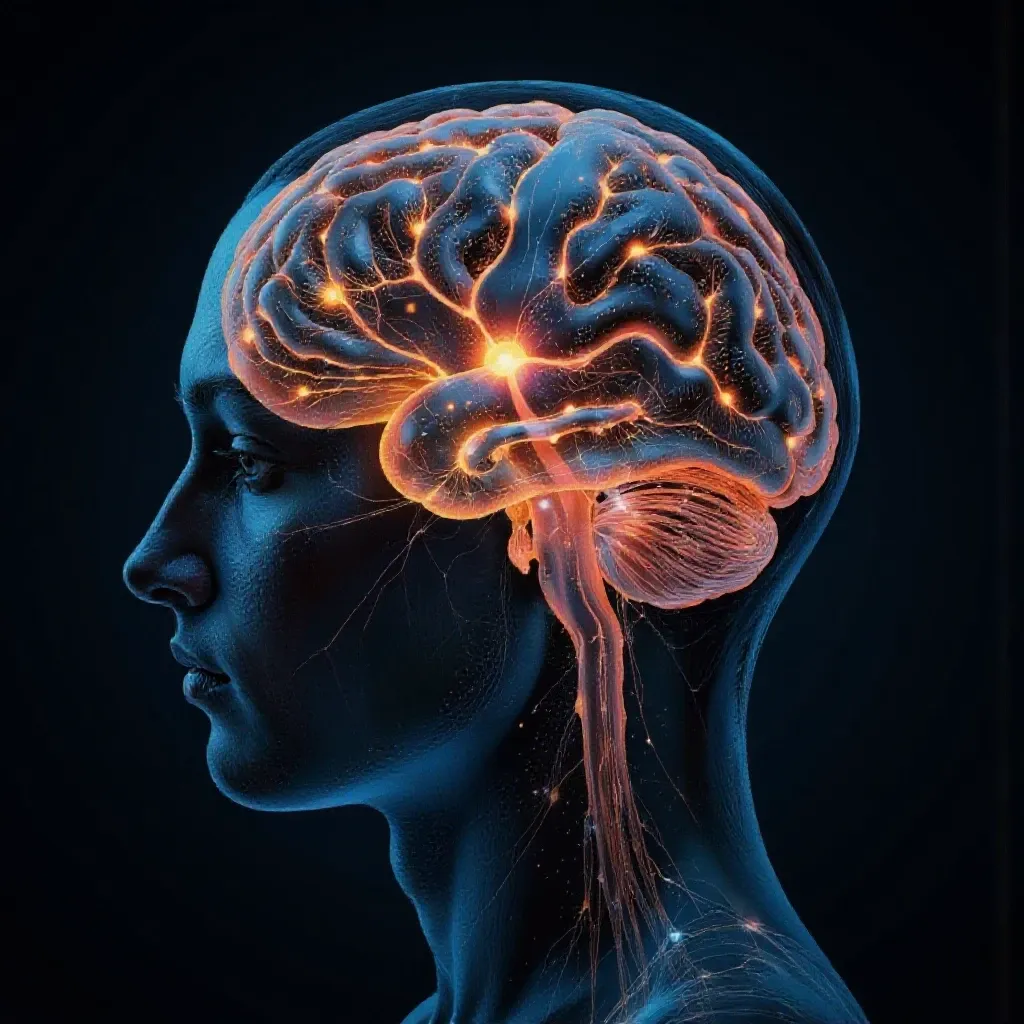
Intuition, often described as a “gut feeling,” is a cognitive process that allows individuals to make decisions without conscious reasoning. It’s a form of pattern recognition honed over years of experience, where the brain subconsciously identifies familiar cues and associations. Human expertise, built upon this foundation of accumulated knowledge and practical application, enables nuanced judgment that algorithms often miss. Emotional intelligence, the ability to understand and manage emotions, plays a crucial role, especially in situations requiring empathy or complex social understanding. In essence, human insight offers a layer of interpretation and understanding that complements pure data analysis.
Tapping Into Your Inner Wisdom: Understanding Intuition
Consider the seasoned detective who, after reviewing countless crime scenes, develops an uncanny ability to sense when something is amiss, even if the evidence is inconclusive. This isn’t magic; it’s the culmination of years of observing subtle behavioral patterns and environmental inconsistencies. Or picture the experienced negotiator who instinctively understands the unspoken needs and concerns of the other party, leading to mutually beneficial agreements. In the medical field, a veteran doctor might sense a patient’s underlying condition based on seemingly minor symptoms and their overall demeanor, prompting further investigation that could save a life. Think about the entrepreneur who, despite market analysis suggesting otherwise, trusts their gut feeling about a new product, leading to unexpected success. Finally, consider the financial investor who senses that a company is in distress despite the earnings reports presenting a different reality, thus, avoiding to invest. These examples highlight how experience-driven intuition informs quick thinking.
Building a Composite Strategy: Marrying Algorithm and Intuition
In today’s data-rich environment, the most effective strategies don’t rely solely on algorithms or human intuition, but instead, forge a powerful partnership between the two. This composite approach leverages the strengths of each, creating a synergy that leads to superior decision-making. It’s about understanding that algorithms excel at processing vast amounts of data and identifying patterns, while human intuition brings empathy, contextual understanding, and critical thinking to the table. The key lies in recognizing the limitations of each approach and building a framework where they complement each other. This involves carefully weighing algorithmic insights against human judgment, ensuring that emotional intelligence and ethical considerations are factored into the final decision. The ultimate goal is to create a hybrid model that’s greater than the sum of its parts, driving more informed, nuanced, and ultimately successful outcomes.
Step-by-Step: Your Guide to Algorithmic Partnership
Creating an algorithmic partnership involves a structured approach. First, gather relevant data and use algorithmic tools to identify key patterns and insights. Second, analyze the algorithmic findings, considering potential biases or limitations in the data. Third, involve human experts to interpret the algorithmic results, adding contextual understanding and ethical considerations. Fourth, merge the algorithmic insights with human judgment to arrive at a well-rounded decision. This iterative process ensures that both data and intuition play crucial roles in shaping the final outcome.
Case Studies: When Humans Beat the Machine
While algorithms offer efficiency and data-driven insights, real-world scenarios demonstrate the enduring value of human intellect. Examining case studies where human judgment surpasses machine predictions reveals critical nuances often missed by purely analytical approaches. These instances highlight the importance of incorporating experience, intuition, and contextual understanding in decision-making processes.
Consider the world of finance. Algorithmic trading, designed to exploit market inefficiencies, sometimes falls prey to unforeseen events or “black swan” occurrences. In one instance, a quant fund, heavily reliant on algorithms, experienced significant losses during a period of heightened market volatility. Seasoned portfolio managers, recognizing the limitations of the model in the face of unprecedented circumstances, intervened and adjusted positions based on qualitative factors and fundamental analysis, ultimately mitigating further damage and outperforming the algorithm-driven strategy.
Similarly, in medical diagnostics, artificial intelligence shows promise, but the expertise of experienced physicians remains crucial. An algorithm designed to detect cancerous lesions on radiology scans initially flagged a high number of false positives, causing unnecessary anxiety and further testing. A team of radiologists, leveraging their clinical experience and nuanced understanding of patient history, re-evaluated the scans, identifying contextual factors overlooked by the algorithm. This improved accuracy significantly reduced the false positive rate and led to more appropriate treatment plans.
These case studies exemplify that algorithms are a powerful tool, but not a panacea. Human insight, especially when coupled with data-driven analysis, can provide a significant advantage in complex and uncertain situations. The human capacity for adaptability, critical thinking, and pattern recognition allows for superior decision-making abilities.
Developing Your Intuitive Edge: Practical Exercises
Intuition isn’t some mystical gift; it’s a skill honed through practice. Sharpening your decision-making prowess involves intentionally developing your intuitive capabilities. Here are some hands-on exercises to get you started on the path of intuitive development:
- Mindfulness Meditation: Set aside 10-15 minutes daily. Find a quiet space, close your eyes, and focus on your breath. When thoughts arise, acknowledge them without judgment and gently redirect your attention back to your breath. This anchors you in the present, clearing mental clutter and allowing subtle intuitive signals to surface.
- Scenario Visualization: Choose a situation where you need to make a decision. Close your eyes and vividly imagine yourself in that scenario. Explore different courses of action and pay attention to the feelings and gut reactions that arise. This exercise helps you anticipate potential outcomes and tap into your intuitive wisdom.
- “Intuition Journaling”: Each day, write down a few observations or questions without immediately seeking answers. Later, revisit your entries and note any intuitive insights or feelings that emerge. This practice strengthens your awareness of inner guidance and patterns.
Conclusion
In navigating the complexities of modern decision-making, the synergy between algorithms and intuition emerges as a powerful strategy. By understanding the strengths and limitations of each, individuals can cultivate a balanced approach that optimizes outcomes. Integrating algorithmic insights with human judgment enhances both efficiency and accuracy in decision processes. As demonstrated through various techniques and exercises, embracing hybrid intelligence leads to more robust and adaptable solutions. It is essential to experiment with these strategies, refining the balance between data-driven analysis and intuitive understanding to suit specific contexts. Ultimately, the future of effective decision-making lies in harmonizing the precision of algorithms with the nuanced creativity of human intuition, paving the way for innovative and resilient solutions.